


Master of Arts in Yoga Studies
Gain a deeper knowledge of yoga and transform your practice and life with Naropa’s low-residency master’s degree in Yoga Studies.
Program Overview
Naropa’s MA in Yoga Studies is intended for yoga teachers, practitioners, and enthusiasts interested in upgrading their expertise in the diverse array of teachings and practices of yoga throughout history.
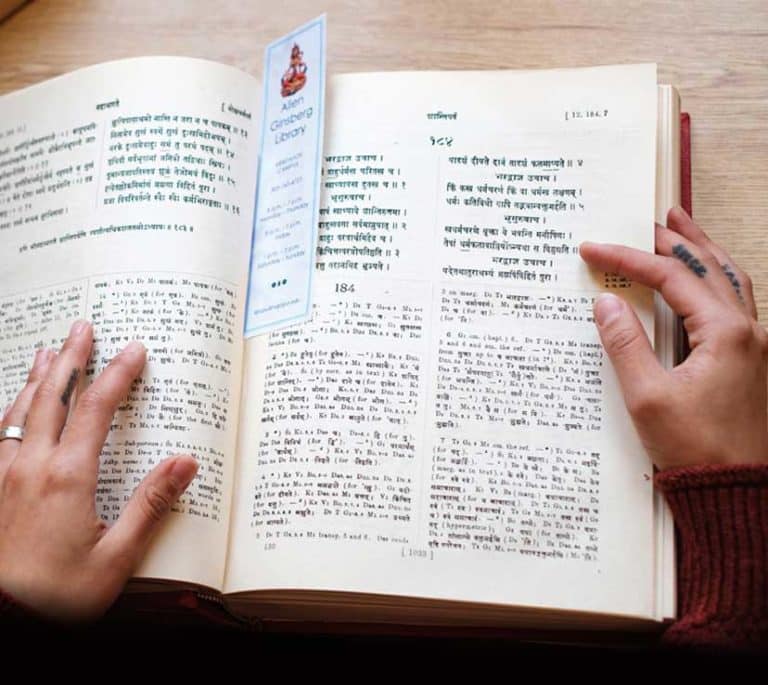
During this 2.5-year, low-residency master’s program, you will immerse yourself in yogic forms of meditation, study Buddhist and Indo-Tibetan religious traditions, and unveil knowledge of Sanskrit texts.
This master’s in yoga consists of online courses and two residential yoga retreats held in Colorado.
Yoga Mastery
You’ll receive in-depth training in the history and practices of significant yoga lineages through a contemplative educational approach. This covers studying yoga’s role in various Indian religions like Hinduism, Buddhism, Jainism, and Sufism. Additionally, the program explores the development of “haṭha yoga” and the rise of modern yoga styles in the twentieth century, including both poses and meditation.
Learn from Anywhere
Naropa’s Master’s Degree in Yoga Studies operates on a “low-residency” model, primarily delivered online with two essential in-person retreats in Colorado. This flexible format allows you to join from anywhere, enabling you to balance your professional commitments while pursuing your degree.
Accomplished Faculty
The faculty at Naropa’s Yoga Studies are esteemed experts deeply dedicated to the art of contemplative teaching. Immersed in Indian culture and tradition, these educators convey the intricate principles of yogic philosophy while also imparting the profound joy that comes with practicing yoga.

Quick Facts
- One of a few such yoga degrees globally.
- 2.5 transformative years
- Online Courses
- 2 residential yoga retreats in Colorado
- 40 credit hours
- Transfer up to 12 credits
- Sanskrit training
- Accomplished Faculty
- Applications Open for Fall 2027

Program Format
Naropa’s Master’s degree in Yoga is a 2.5-year, low-residency program. The degree is mainly delivered online and it features two in-person sessions in Colorado.
Students have the flexibility to join this program from any location, allowing them to balance their work commitments as they pursue their degrees.
The program kicks off with a seven-day on-site retreat during the first fall semester, fostering community and offering an in-person taste of the contemplative learning experience. Another seven-day retreat is scheduled in the second year’s fall semester.

Course Spotlight
Meditation in Yogic & Tantric Traditions II
This course explores meditative practices illuminated in haṭha yoga and tantric traditions, supplemented by a study of the ways of seeing and knowing advanced by the source traditions. This foundation of practice and study will serve as a staging for more fruitional modes of meditation.
Degree
Requirements
The MA in Yoga Studies is a 40-credit, low-residency Religious Studies MA concentration, offering comprehensive training in Yoga Studies. The program is designed for students interested in doctoral programs as well as yoga teachers and practitioners.
Students can complete the program from anywhere, as it is mostly online with two seven-day residential retreats in Colorado.
Low-Residency MA in Yoga Studies Requirements
First year, fall (Includes Retreat – 10 credits)
Two courses include an intensive retreat during the first few weeks of the semester
- REL617E Meditation in Yogic and Tantric Traditions: A Practicum (3) [Includes Retreat]
- REL577E The Histories and Philosophies of Yoga (3) [Includes Retreat]
- REL507E Sanskrit I (4)
First year, spring (Online Only – 6 credits)
- REL717E Meditation in Yogic & Tantric Traditions II (3)
- REL Elective (3)
Second year, fall (Includes Retreat – 9 credits)
Two courses include an intensive retreat during the first few weeks of the semester
- REL611E First Turning of the Wheel (3) [Includes Retreat]
- REL 634E Hindu Tantric (3) [Includes Retreat]
- REL Elective (3)
Second year, spring (Online Only – 9 credits)
- REL 645E Methods & Issues in the Study of Religion (3)
- REL Elective (3)
- REL Elective (3)
Third year, fall (Online Only – 6 credits)
- REL 530E Yoga and Globalization (3)
- REL 883E Master’s Thesis (3)
First year, fall (Includes Retreat – 10 credits)
Two courses include an intensive retreat during the first few weeks of the semester
- REL617E Meditation in Yogic and Tantric Traditions: A Practicum (3) [Includes Retreat]
- REL577E The Histories and Philosophies of Yoga (3) [Includes Retreat]
- REL507E Sanskrit I (4)
First year, spring (Online Only – 7 credits)
- REL717E Meditation in Yogic & Tantric Traditions II (3)
- REL537E Sanskrit II (4)
Second year, fall (Includes Retreat – 10 credits)
Two courses include an intensive retreat during the first few weeks of the semester
- REL611E First Turning of the Wheel (3) [Includes Retreat]
- REL 634E Hindu Tantric (3) [Includes Retreat]
- REL557E Sanskrit III (4)
Second year, spring (Online Only – 7 credits)
- REL 645 Methods & Issues in the Study of Religion (3)
- REL587E Sanskrit IV (4)
Third year, fall (Online Only – 6 credits)
- REL 530E Yoga and Globalization (3)
- Elective (3) or REL 883E Master’s Thesis

Curious what it's like to study at Naropa?
Explore a short, self-paced course with sample classes, teachings from faculty, and real stories from students and alumnx about their experience. Get a feel for how learning happens here through reflection, practice, and real-world application.
Areas of Specialization
Beyond its extensive curriculum in yoga studies, Sanskrit instruction, and contemplative methods, the program stands out with two unique specializations.
Buddhist Traditions
The foundational practices and teachings of Buddhism significantly influenced classical yoga. Within Naropa’s master’s program in yoga studies, there’s a dedicated exploration of this less-explored realm, highlighting the evolving traditions of Buddhist yoga within the context of Indo-Tibetan Buddhism.
Study of the Yoga of Tantric Traditions
The exploration of Tantric traditions within the realm of yoga remains relatively unexplored in the broader context of yoga history. However, our curriculum delves deeply into this area, shedding significant light on its intricate nuances and contributions.

Watch Yoga Studies on YouTube
Meet Student Cassandra Smith
Cassandra Smith is a student in the MA in Yoga Studies program at Naropa University. She also serves as the Director of Marketing & Communications. Her academic focus is on the intersections of yoga with countercultural and psychedelic communities.
Why Choose Naropa?
Accomplished Faculty
Our Yoga Studies faculty are are dedicated scholars deeply immersed in contemplative teaching methods. With a rich background in Indian culture and traditions, they passionately convey intricate yogic philosophies while also instilling a profound sense of wonder associated with yoga practice.
Study from Anywhere
Naropa's three-year Master of Arts in Yoga Studies adopts a "low-residency" approach, mainly delivered online, complemented by two in-person retreats in Boulder, Colorado. Regardless of your location, you have the flexibility to join this program. Its structured pace allows you to balance your professional commitments while advancing toward your degree.
Contemplative Education
Naropa has a pioneering vision for contemplative education, inspiring the practice of yogic forms of meditation which is a cornerstone of this curriculum. The Yoga Studies program integrates the practice of meditation drawn directly from the yogic systems of the Yogasūtra, Śaiva tantra, Haṭha yoga, and Vedānta.

How this Program Prepares You
Immersive Education
Besides delving into Sanskrit training, students will have an in-depth exploration of the origins, practices, and philosophies of prominent yoga traditions. Moreover, they will delve into a critical examination of yoga’s intersections with various Indian faiths. Additionally, the coursework traces the rise of inclusive “haṭha yoga” practices and the vibrant evolution of contemporary yoga, encompassing both physical and meditative forms.
Residential Retreats
The program includes two seven-day residential yoga retreats held at the Drala Mountain Center. The first one takes place during the first fall semester, and the second one is scheduled for the second year’s fall semester. These retreats build community and offer an in-person experience of Naropa’s contemplative learning.
Experienced Faculty
Whether you connect online or face-to-face, your instructors are committed to fostering community through insightful teachings and genuine conversations. Even as you study remotely, pursuing your yoga degree promises a memorable experience filled with community, bonding, and personal development.
What You'll Learn
Contemplative Practice
Enhance your meditation and self-awareness in yoga.
Strong Foundation in Yogic Philosophies
Understand the traditions and religions shaping yoga's teachings.
Proficiency in Sanskrit
Access Sanskrit texts that transmit invaluable teachings on yoga.
Yoga Lineage Insights
Grasp the origins and teachings of diverse yogic traditions.
Career Readiness
Explore career opportunities in yoga studies, creative entrepreneurship, sociology, and more.
Career Opportunities with a Master’s Degree in Yoga Studies
The master’s degree in yoga studies can lead to a career in the expanding field of yoga research or creative entrepreneurial and service-oriented work in yoga communities worldwide.
The program can also act as a pathway to doctoral programs in South Asian religions and Indology, as well as disciplines focused on modern postural yoga, such as sociology and anthropology.
- Cultural Studies Teacher: specialize in cultural and regional studies.
- Literature Teacher: teach literature and literary analysis.
- Religion Teacher: instruct on religious beliefs and practices.
- Interpreter and Translator: convert and convey messages between languages.
- Health Specialties Teacher: educate on various health-related subjects and specialties.
Hear from a Graduate
 It’s so amazing to hear what all of my classmates are planning on doing with this degree. There are a couple of yoga teachers who want to become better yoga teachers; there are others who want to teach in a community college setting, some who want to go on to do PhDs and do Sanskrit translation. Yoga as an industry is still in its infancy. This academic, accredited certification of achievement is going to set people up to become thought leaders as this industry continues to evolve.
Faculty Highlight
It is important to cultivate discernment in the sense of a historical awareness: the ability to discern many different streams in yogic traditions, and understand their fundamental orientations, outlooks, and practices. This allows us to realize the integrity of each lineage. And thus when we draw from that lineage, we gain greater access to its transformational power.FAQS about the
Master’s Degree in Yoga Studies
What can you do with a Master’s Degree in Yoga?
A Master’s degree in Yoga is designed for yoga teachers, enthusiasts, or practitioners. This qualification opens doors to roles in growing areas like yoga research or innovative roles within global yoga communities. Additionally, it can pave the way for further studies in fields like South Asian religions, Indology, and related areas such as sociology and anthropology.
How is Naropa’s Yoga Studies MA different from the Yoga Studies BA?
The main difference between Naropa’s Yoga Studies MA (Master’s) and a Yoga Studies BA (Bachelor’s) lies in the depth and specialization of the study. A Master’s program typically delves deeper into advanced topics, and research methodologies, and may require a thesis or comprehensive project. It aims to provide more specialized knowledge and skills for those looking to advance their career or delve deeper into specific areas of yoga, such as research, academia, or specialized practice. In contrast, a Bachelor’s program offers a foundational understanding of yoga, covering essential concepts, history, and practices, but may not have the same level of depth or specialization as a Master’s degree.
How does the low-residency work?
Naropa’s low-residency programs give you the flexibility of taking most of your classes online. The program combines online learning with in-person intensives, which immerse you in contemplative practice and coursework—and build community—you can maintain your work and personal life and live the experience of contemplative education. The master’s in yoga studies entails two residential yoga retreats in Colorado at the Drala Mountain Center.
What sets Naropa’s Master’s Degree in Yoga apart from other programs?
The Yoga Studies program integrates the practice of meditation drawn directly from the yogic systems of the Yogasūtra, Śaiva tantra, Haṭha yoga, and Vedānta. Inspired by Naropa’s pioneering vision for contemplative education, the practice of yogic forms of meditation is a cornerstone of this curriculum. Furthermore, Naropa’s low-residency model allows students to pursue their studies remotely, with scheduled in-person intensives at our campus to deepen their skills.
I have more questions about this degree, where can I read more?
We have a dedicated FAQ Page with more common questions about our Master’s Degree in Yoga studies. You are welcome to contact counselor Junia McGillen for any additional questions you may have.
What is Naropa's history with yoga?
Naropa’s 1974 inauguration was marked by Ram Dass teaching the Yogas of the Bhagavad Gītā to over one thousand students, and we’ve remained dedicated to yoga studies ever since. We offer both an undergraduate and graduate degree, as well as a Yoga Teacher Training Certificate.
Learn More About the Program

Connect with your counselor
Melanie Noble
Admissions Counselor
- Schedule a Meeting
- melanie.noble@naropa.edu
- 303-546-3568



Connect with your counselor
Melanie Noble
Admissions Counselor
- Schedule a Meeting
- melanie.noble@naropa.edu
- 303-546-3568

Ready to Apply?
Admission Requirements
As you embark on this journey, it’s essential to familiarize yourself with the criteria that will guide your application process. This section outlines the key prerequisites and qualifications necessary to be considered for admission to the MA in Religious Studies: Yoga Studies program.
Costs & Financial Aid
At Naropa, we believe quality education should be accessible. More than 75% of our graduate students receive some form of financial aid to help cover their costs. Our graduate costs & aid page covers costs and financial aid opportunities for graduate students, like scholarships, student employment, and loan options.
Graduate Scholarship Opportunities
Scholarships are a great way to help with the costs of going to school. Naropa University offers an array of scholarship opportunities to graduate students. Students may be eligible to receive scholarships by applying for scholarships or by being nominated for a scholarship. For more detailed information about the different scholarships available and how to receive them, please review our graduate scholarship page.


Interested in our Low-Residency MA in Yoga Studies?
Read our blog or listen to our podcast!

As MA Yoga Studies student Sarah Spiegel prepares to graduate, she reflects on her grant-funded conference journeys and how they have transformed her as a scholar and practitioner. My first...
A dialogue with program architect Ben Williams, PhD, in conversation with William & Mary student Varsha Gollarhalli on the future of academic yoga studies The following transcript comes from an...

Magazine
Magazine

Magazine
Magazine
MA Yoga Faculty News
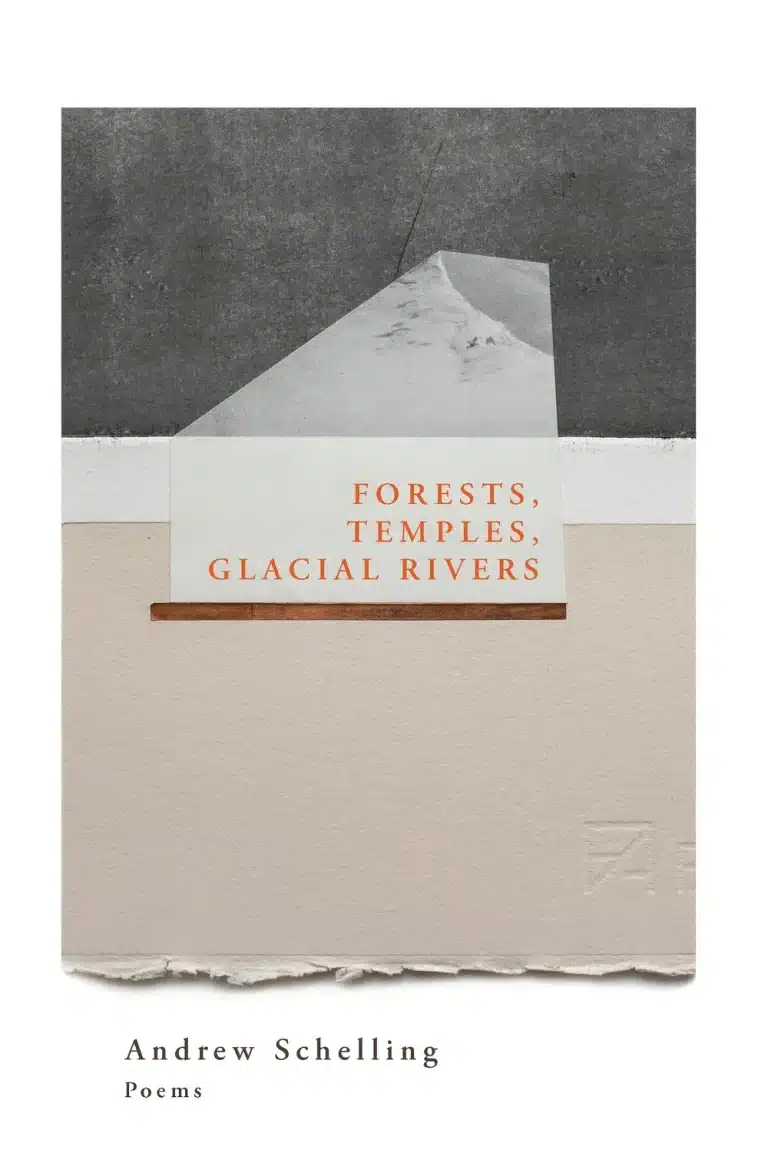
New Collection of Poetry: Forests, Temples, Glaciers
Professor Andrew Schelling has a new collection of poetry from Empty Bowl Press: Forests, Temples, Glacial Rivers, out late 2024.
...
Marjorie Woollacott and Ben Williams – Lessons from the Nondual Philosophy of Shaivism and Neuroscience
In this webinar Drs. Ben Williams and Marjorie Woollacott explore parallels between theories about the origins of cognitive processes that filter out a broader perceptual awareness in both modern neuroscience...

Preserving Ancient Wisdom: Naropa and Muktabodha Launch Chair of Yoga Studies
Dr. Ben Williams, the core associate professor who helped launch and currently leads Naropa’s MA Yoga Studies program, will hold the Muktabodha Chair of Yoga Studies for a three-year term....