
Gain a deeper knowledge of yoga and transform your practice and life with Naropa’s hybrid master’s degree in Yoga Studies.
Naropa’s MA in Yoga Studies is intended for yoga teachers, practitioners, and enthusiasts interested in upgrading their expertise in the diverse array of teachings and practices of yoga throughout history.
During this 2.5-year, hybrid master’s program, you will immerse yourself in yogic forms of meditation, study Buddhist and Indo-Tibetan religious traditions, and unveil knowledge of Sanskrit texts.
This master’s in yoga consists of online courses and two residential yoga retreats held in Colorado.
You’ll receive in-depth training in the history and practices of significant yoga lineages through a contemplative educational approach. This covers studying yoga’s role in various Indian religions like Hinduism, Buddhism, Jainism, and Sufism. Additionally, the program explores the development of “haṭha yoga” and the rise of modern yoga styles in the twentieth century, including both poses and meditation.
Naropa’s master’s degree in Yoga Studies operates on a “hybrid” model, primarily delivered online with two essential in-person retreats in Colorado. This flexible format allows you to join from anywhere, enabling you to balance your professional commitments while pursuing your degree.
The faculty at Naropa’s Yoga Studies are esteemed experts deeply dedicated to the art of contemplative teaching. Immersed in Indian culture and tradition, these educators convey the intricate principles of yogic philosophy while also imparting the profound joy that comes with practicing yoga.


Naropa’s Master’s degree in Yoga is a 2.5-year, hybrid program. The degree is mainly delivered online and it features two in-person sessions in Colorado.
Students have the flexibility to join this program from any location, allowing them to balance their work commitments as they pursue their degrees.
The program kicks off with a seven-day on-site retreat during the first fall semester, fostering community and offering an in-person taste of the contemplative learning experience. Another seven-day retreat is scheduled in the second year’s fall semester.

This course explores meditative practices illuminated in haṭha yoga and tantric traditions, supplemented by a study of the ways of seeing and knowing advanced by the source traditions. This foundation of practice and study will serve as a staging for more fruitional modes of meditation.
The MA in Yoga Studies is a 40-credit, hybrid Religious Studies MA concentration, offering comprehensive training in Yoga Studies. The program is designed for students interested in doctoral programs as well as yoga teachers and practitioners.
Students can complete the program from anywhere, as it is mostly online with two seven-day residential retreats in Colorado.
First year, fall (Includes Retreat – 10 credits)
Two courses include an intensive retreat during the first few weeks of the semester
First year, spring (Online Only – 6 credits)
Second year, fall (Includes Retreat – 9 credits)
Two courses include an intensive retreat during the first few weeks of the semester
Second year, spring (Online Only – 9 credits)
Third year, fall (Online Only – 6 credits)
First year, fall (Includes Retreat – 10 credits)
Two courses include an intensive retreat during the first few weeks of the semester
First year, spring (Online Only – 7 credits)
Second year, fall (Includes Retreat – 10 credits)
Two courses include an intensive retreat during the first few weeks of the semester
Second year, spring (Online Only – 7 credits)
Third year, fall (Online Only – 6 credits)

Explore a short, self-paced course with sample classes, teachings from faculty, and real stories from students and alumnx about their experience. Get a feel for how learning happens here through reflection, practice, and real-world application.
Beyond its extensive curriculum in yoga studies, Sanskrit instruction, and contemplative methods, the program stands out with two unique specializations.

The foundational practices and teachings of Buddhism significantly influenced classical yoga. Within Naropa’s master’s program in yoga studies, there’s a dedicated exploration of this less-explored realm, highlighting the evolving traditions of Buddhist yoga within the context of Indo-Tibetan Buddhism.
The exploration of Tantric traditions within the realm of yoga remains relatively unexplored in the broader context of yoga history. However, our curriculum delves deeply into this area, shedding significant light on its intricate nuances and contributions.

Meet Student Cassandra Smith
Cassandra Smith is a student in the MA in Yoga Studies program at Naropa University. She also serves as the Director of Marketing & Communications. Her academic focus is on the intersections of yoga with countercultural and psychedelic communities.
Our Yoga Studies faculty are are dedicated scholars deeply immersed in contemplative teaching methods. With a rich background in Indian culture and traditions, they passionately convey intricate yogic philosophies while also instilling a profound sense of wonder associated with yoga practice.
Naropa's three-year Master of Arts in Yoga Studies adopts a "hybrid" approach, mainly delivered online, complemented by two in-person retreats in Boulder, Colorado. Regardless of your location, you have the flexibility to join this program. Its structured pace allows you to balance your professional commitments while advancing toward your degree.
Naropa has a pioneering vision for contemplative education, inspiring the practice of yogic forms of meditation which is a cornerstone of this curriculum. The Yoga Studies program integrates the practice of meditation drawn directly from the yogic systems of the Yogasūtra, Śaiva tantra, Haṭha yoga, and Vedānta.

Besides delving into Sanskrit training, students will have an in-depth exploration of the origins, practices, and philosophies of prominent yoga traditions. Moreover, they will delve into a critical examination of yoga’s intersections with various Indian faiths. Additionally, the coursework traces the rise of inclusive “haṭha yoga” practices and the vibrant evolution of contemporary yoga, encompassing both physical and meditative forms.
The program includes two seven-day residential yoga retreats held at the Drala Mountain Center. The first one takes place during the first fall semester, and the second one is scheduled for the second year’s fall semester. These retreats build community and offer an in-person experience of Naropa’s contemplative learning.
Whether you connect online or face-to-face, your instructors are committed to fostering community through insightful teachings and genuine conversations. Even as you study remotely, pursuing your yoga degree promises a memorable experience filled with community, bonding, and personal development.
Enhance your meditation and self-awareness in yoga.
Understand the traditions and religions shaping yoga's teachings.
Access Sanskrit texts that transmit invaluable teachings on yoga.
Grasp the origins and teachings of diverse yogic traditions.
Explore career opportunities in yoga studies, creative entrepreneurship, sociology, and more.
The master’s degree in yoga studies can lead to a career in the expanding field of yoga research or creative entrepreneurial and service-oriented work in yoga communities worldwide.
The program can also act as a pathway to doctoral programs in South Asian religions and Indology, as well as disciplines focused on modern postural yoga, such as sociology and anthropology.
 It’s so amazing to hear what all of my classmates are planning on doing with this degree. There are a couple of yoga teachers who want to become better yoga teachers; there are others who want to teach in a community college setting, some who want to go on to do PhDs and do Sanskrit translation. Yoga as an industry is still in its infancy. This academic, accredited certification of achievement is going to set people up to become thought leaders as this industry continues to evolve.
 It is important to cultivate discernment in the sense of a historical awareness: the ability to discern many different streams in yogic traditions, and understand their fundamental orientations, outlooks, and practices. This allows us to realize the integrity of each lineage. And thus when we draw from that lineage, we gain greater access to its transformational power.
Students of the MA Yoga Studies program plan to use this degree in a variety of ways—as diverse as the life paths which originally brought them to the program.
Students looking to develop a vocation in yoga communities see this degree as an opportunity to cultivate a deeper and more comprehensive understanding of yoga’s traditions and current global dynamics. This understanding can directly inform their professional offerings.
Current MA students include yoga teachers looking to develop their teaching work, global reach, fidelity to lineages of practice, while discovering creative ways to enrich their communities of practice. This also includes the possibility of extending their teaching work to secondary schools, colleges, and universities, as well as various forms of social outreach to make the teachings and practices of yoga more available to marginalized and underserved communities.
There are many enrolled students who are yoga studio owners and are creatively integrating—in real time—the knowledge and expertise gleaned from the MA program into their teacher trainings, courses, and overall curricular vision.
We also have students who are marketing professionals aiming to leverage their knowledge of the roots of yoga and the life and cultural of contemporary communities in the fields of communication, journalism, editing, graphic design, and publishing.
There are also students who plan to deepen and focus their studies by pursuing a PhD in Religious Studies, Indology, Anthropology, South Asian Studies, and other fields. The MA in Yoga Studies is designed to serve as a foundation for students aspiring towards doctoral work, introducing them to theories and methods prevalent in the field, offering comprehensive linguistic training, and refinement in the art of academic writing and research.
Most of our students are practitioners at heart, and are particularly inspired by the way the program will enliven and expand their experience of yogic traditions of practice.
Studying yoga in an academic setting gives students the time to study the diversity and depth of these traditions with the direct support of mentors and scholars working in the field.
Students take courses like: “Histories and Philosophies of Yoga”, “Yoga & Globalization”, “Hindu Tantra”, “Power, Privilege, and Diversity,” as well as courses on Sanskrit and the history of the language.
Learning to critically engage the best and most current scholarship in the field, students are introduced to a community of yoga studies scholars and a burgeoning field of scholarship that is quite dynamic in its revisions and new contributions. Forging a connection to this scholarly community and learning how to navigate the literature helps students to meaningfully translate this expanding body of knowledge into their professional and civic lives.
For almost fifty years, Naropa University has innovated a contemplative approach to education. In addition to rigorous academic scholarship, students also engage in meditation practicums where yogic techniques are explored directly in practice, not just admired as artifacts of human culture or abstractions of thought. This marriage of scholarship and practice is unique to this program, and it helps students experience the wisdom embodied in yogic traditions in a much more profound and intimate way.
In addition to engaging with the source texts in which yoga practices emerged, students also examine the way yoga was received and shaped in the West and the world-at-large through courses like “Yoga & Globalization” and “Power, Privilege, and Diversity.”
This in-depth study of the dynamism of yoga’s socio-historical embodiments empowers students to become more critically-informed and culturally-sensitive stewards of these traditions.
Nataraja Kallio, Associate Professor in the Yoga Studies program at Naropa, explains how the depth of study offered through the graduate program “enables us to emphasize cultural appreciation rather than appropriation. But nevertheless, we equally grapple with those issues that arise with the globalization of yoga because, of course, whenever a tradition travels, it is inevitably influenced by the values and the interests of the cultures it arrives in.”
Students can take classes online from anywhere in the world. The cohort and faculty come together for two nine-day in-person retreats at a mountain retreat center in Colorado at the start of the first and second academic years to build a sense of community and start classes for the semester.
Students typically spend 15-20 hours a week on the program, which allows for other commitments – whether that be a family, job, or other creative endeavors.
The MA Yoga program offers two different concentrations: a language and non-language track.
In the language track, students take four semesters of Sanskrit. In the first three semesters, students learn the devanāgarī script most commonly used to write Sanskrit, pronunciation, and basic grammar. By the fourth semester, students begin translating texts with the support of faculty. Upon graduating, students are able to read and translate Sanskrit texts with the support of a dictionary.
There is also a non-language track where students take one semester of Sanskrit, and then choose three graduate-level electives from the Religious Studies course catalogue. Elective options include: “Yogacara & Buddha Nature”, “Religious Experience in Africa: Sacred Cosmos, Ritual, and Community”, “Kabbalah and Consciousness”, “Non-Dualism in Theory and Practice”, “Contemplative Christianity”, “Sufism: An Introduction to its History, Thought, and Practice”, and many more.
Studying languages like Sanskrit has been shown to have a positive impact on the composition and functionality of certain regions in the brain. Ben Williams, PhD, and program lead of the MA Yoga program, illuminates how the study of Sanskrit “awakens your capacity for memory and allows you to begin to experience the texts you’re studying with much greater intimacy.”
Williams also notes how studying a language, like Sanskrit, that is from “a radically different time period and set of worldviews is actually a really good way to distance ourselves from our own bias.”
He elaborates:
“Often, we are so enmeshed in the presuppositions of our native language and culture that it sometimes requires studying something extremely far away from that world to begin to get some perspective on our own implicit worldview. What these texts afford, when you immerse yourselves in their original formulations and ideas, is another way of organizing knowledge—another syntax for experiencing the world. It’s really a doorway into another way of seeing, and I think that’s a basis for a much deeper empathy, cross-cultural understanding, and ability to connect to the civilization of South Asia.”
Thousands of Sanskrit manuscripts are currently housed in archives throughout South Asia and the world. Most of them have never been edited or translated, and a number of research grants currently exist to support scholars in translation initiatives. The teachings of these texts will continue to transform our understanding of yoga’s histories and definitely inform its futures.
Naropa’s 1974 inauguration was marked by Ram Dass teaching the Yogas of the Bhagavad Gītā to over one thousand students, and we’ve remained dedicated to yoga studies ever since. We offer both an undergraduate and graduate degree, as well as a Yoga Teacher Training Certificate.
The Yoga Studies program integrates the practice of meditation drawn directly from the yogic systems of the Yogasūtra, Śaiva tantra, Haṭha yoga, and Vedānta. Inspired by Naropa’s pioneering vision for contemplative education, the practice of yogic forms of meditation is a cornerstone of this curriculum. Furthermore, Naropa’s hybrid model allows students to pursue their studies remotely, with scheduled in-person intensives at our campus to deepen their skills.
The main difference between Naropa’s Yoga Studies MA (Master’s) and a Yoga Studies BA (Bachelor’s) lies in the depth and specialization of the study. A Master’s program typically delves deeper into advanced topics, and research methodologies, and may require a thesis or comprehensive project. It aims to provide more specialized knowledge and skills for those looking to advance their career or delve deeper into specific areas of yoga, such as research, academia, or specialized practice. In contrast, a Bachelor’s program offers a foundational understanding of yoga, covering essential concepts, history, and practices, but may not have the same level of depth or specialization as a Master’s degree.

Admissions Counselor


Admissions Counselor

As you embark on this journey, it’s essential to familiarize yourself with the criteria that will guide your application process. This section outlines the key prerequisites and qualifications necessary to be considered for admission to the MA in Religious Studies: Yoga Studies program.
At Naropa, we believe quality education should be accessible. More than 75% of our graduate students receive some form of financial aid to help cover their costs. Our graduate costs & aid page covers costs and financial aid opportunities for graduate students, like scholarships, student employment, and loan options.
Scholarships are a great way to help with the costs of going to school. Naropa University offers an array of scholarship opportunities to graduate students. Students may be eligible to receive scholarships by applying for scholarships or by being nominated for a scholarship. For more detailed information about the different scholarships available and how to receive them, please review our graduate scholarship page.



As MA Yoga Studies student Sarah Spiegel prepares to graduate, she reflects on her grant-funded conference journeys and how they have transformed her as a scholar and practitioner. My first...
A dialogue with program architect Ben Williams, PhD, in conversation with William & Mary student Varsha Gollarhalli on the future of academic yoga studies The following transcript comes from an...

Magazine
Magazine

Magazine
Magazine
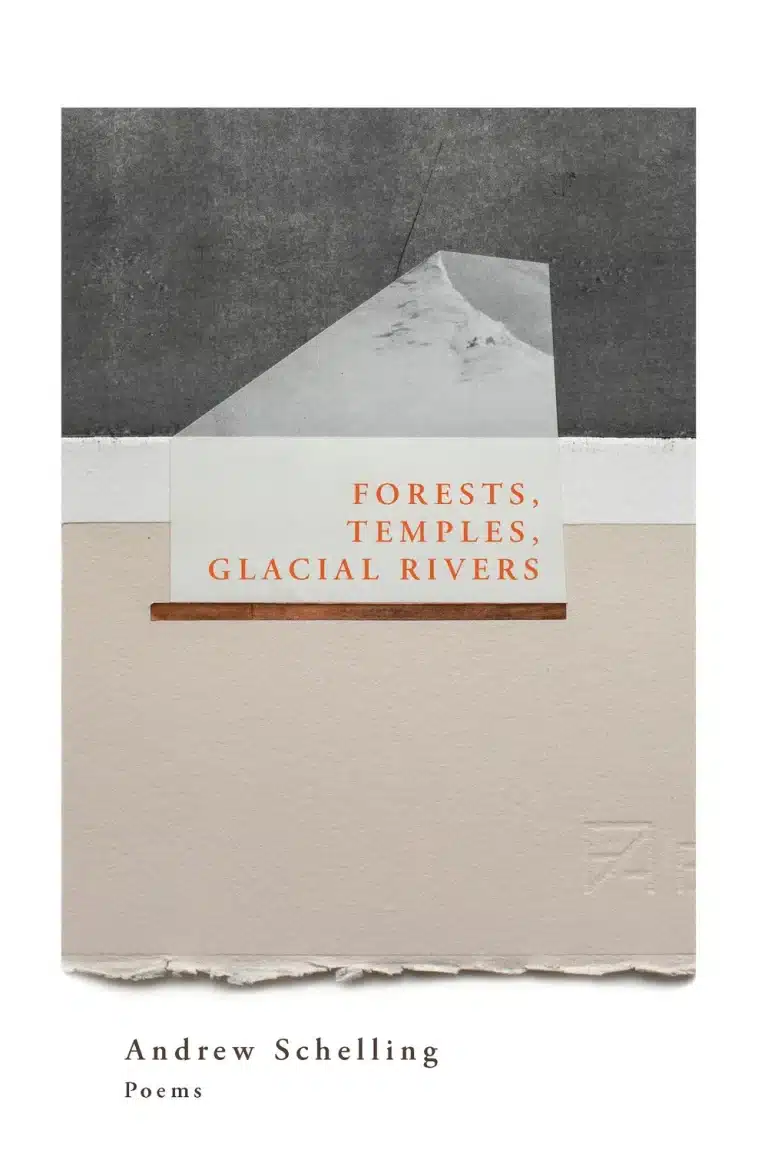
Professor Andrew Schelling has a new collection of poetry from Empty Bowl Press: Forests, Temples, Glacial Rivers, out late 2024.
...
In this webinar Drs. Ben Williams and Marjorie Woollacott explore parallels between theories about the origins of cognitive processes that filter out a broader perceptual awareness in both modern neuroscience...

Dr. Ben Williams, the core associate professor who helped launch and currently leads Naropa’s MA Yoga Studies program, will hold the Muktabodha Chair of Yoga Studies for a three-year term....
About Naropa
Located in Boulder, Colorado, Naropa University is a Buddhist-inspired, nonsectarian liberal arts university that is recognized as the birthplace of the mindfulness movement. Naropa offers undergraduate and graduate degree programs that emphasize professional and personal growth, intellectual development, and cultivating compassion.
Academics
Contemplative education brings together the best of Western scholarship and Eastern world wisdom traditions. Therefore, your pursuit of wisdom at Naropa means learning both about academic subjects and about your own place in the world. This innovative approach places Naropa on the cutting edge of the newest and most effective methods of teaching and learning.
Admissions & Aid
If you’re seeking an education that resonates with both personal fulfillment and global impact, Naropa could be your top choice. At Naropa, you will experience a comprehensive curriculum that integrates the best of Eastern and Western educational approaches. Explore how Naropa can fuel your journey of intellectual and spiritual development.
Life at Naropa
Through its incredibly vibrant and welcoming community, “Naropa offers a home for those who aren’t willing to conform to convention—the mystic, the healer, the prophet, the rebel, the artist, the revolutionary, the oddball—those who are incredible contributors to the evolution of society and of our planet.”—Core Associate Professor Zvi Ish-Shalom
The Naropa Difference
How is Naropa different from other universities? At Naropa, a liberal arts education balances rigorous academics with powerful interpersonal skills and self-awareness to educate the whole person. Naropa’s contemplative approach is inspired by Buddhist philosophy and the conviction that we can build a diverse, contemplative, enlightened society when we have transformed education to affirm the basic goodness of every person.
Support Naropa
At a time when the value of higher education is being questioned, Naropa University stands firmly rooted in its mission to create a more just and regenerative world by nurturing insight, awareness, courage, and compassion in its students. By making a gift to Naropa, you play a pivotal role in helping to create the authentic, effective & mindful leaders that the world desperately needs.


