

Designed for students concurrently enrolled in the 60-credit Master of Arts in Clinical Mental Health Counseling, the graduate certificates in Mindfulness-Based Counseling & Transpersonal Counseling allow students to clinical counseling skills through the lens of world wisdom traditions at a Buddhist-inspired university with on-campus and hybrid options.
About the Mindfulness-Based Counseling Certificate
The Graduate Certificate in Mindfulness-Based Counseling allows graduates to build dual competencies in foundational clinical practice and specialized mindfulness interventions, preparing them to integrate spiritual and contemplative perspectives into a variety of therapeutic settings.
The curriculum offers experiential and theoretical study that joins spirituality and clinical mental health counseling through methods such as meditation, Gestalt awareness, and client-centered counseling. Together, these methods challenge students to engage in deep inner personal exploration as well as focused relational work with others. Exploration of the psychotherapeutic process is balanced with personal reflection and shared observations with peers and instructors. By emphasizing the integration of traditional and innovative contemplative methods, the certificate provides students with a rich foundation for future clinical service.
Mindfulness Focus
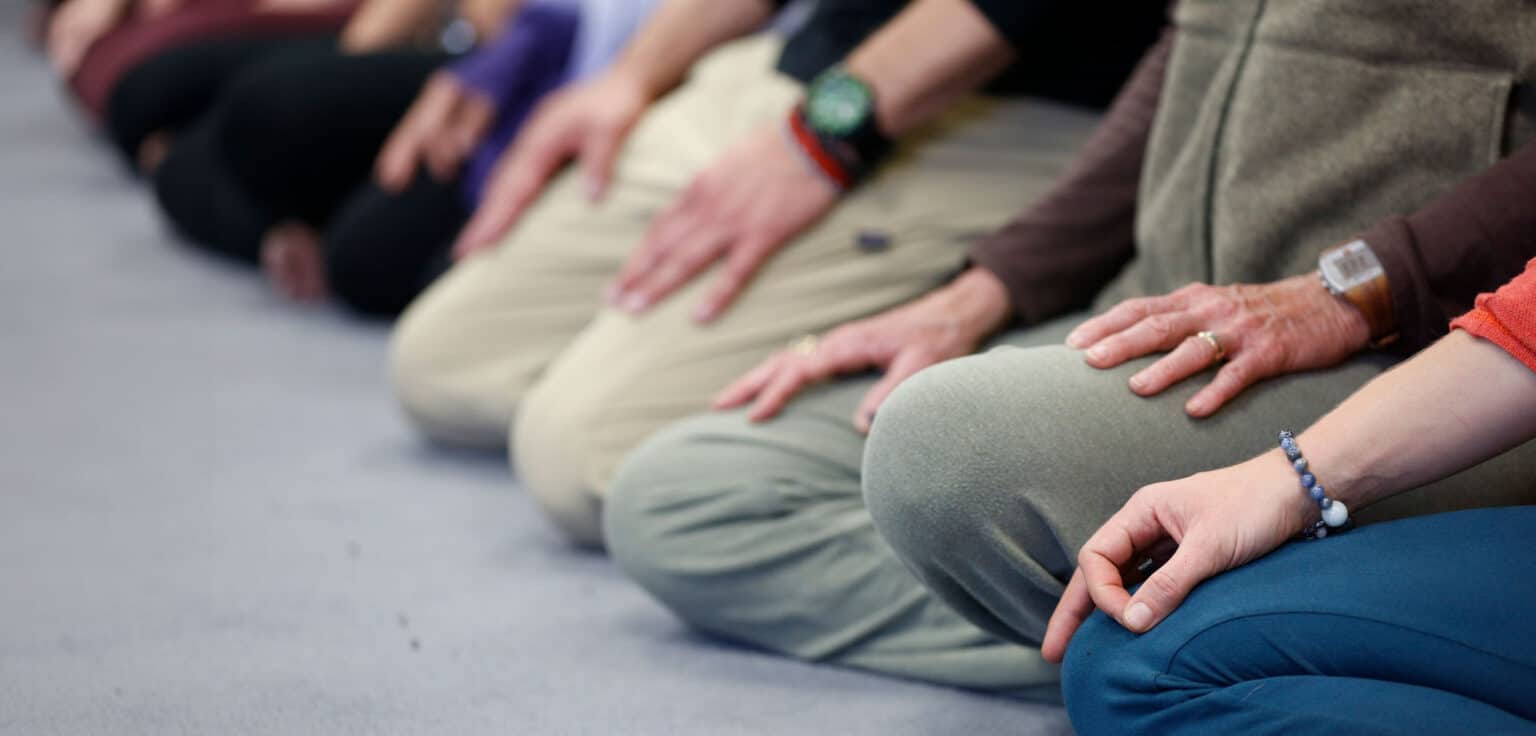
This master’s degree program is an opportunity for deep personal reflection and intensive clinical experience. Rooted in the principles of mindfulness counseling, we support your dedication to mindfulness with on-campus meditation halls, group meditation retreats, body awareness work, and more.
Diverse & Intimate Learning Environment
A selective admissions process admits up to fifty students into the Mindfulness-Based Transpersonal Counseling concentration every year. Students share a core set of courses with Transpersonal Art Therapy and Nature-Based Transpersonal Counseling students. The mix provides contact with a diverse group of students and a healthy environment for developing friendship and collegiality. Each semester of study involves concentrated learning experiences with small groups of no more than ten to twelve students.
Elective Offerings
The mindfulness-based transpersonal counseling concentration program offers a range of electives that complement required studies and meet a variety of interests in counseling and transpersonal studies. Coursework is designed to enhance personal and professional awareness and knowledge. Electives include specialized transpersonal approaches, meditation, couples and family therapy, Jungian psychology, body awareness, and Gestalt therapy.

Quick Facts
- 12-credit certificate program designed for students concurrently enrolled in the 60-credit Master of Arts in Clinical Mental Health Counseling
- Delivery: On-campus & hybrid
- Unique Mindfulness Focus
- Experiential and theoretical study that joins spirituality and clinical mental health counseling through methods such as meditation, Gestalt awareness, and client-centered counseling.
- Applications open for Spring, Summer & Fall 2027

About the Transpersonal Counseling Certificate
The Graduate Certificate in Transpersonal Counseling allows graduates to build dual competencies in foundational clinical practice and specialized transpersonal interventions, preparing them to integrate spiritual, expansive, and contemplative perspectives into a variety of therapeutic settings.
The curriculum offers experiential and theoretical study that joins spirituality, and clinical mental health counseling through transpersonal frameworks, Jungian approaches, Gestalt awareness, and client-centered counseling. Together, these methods challenge students to engage in deep inner personal exploration as well as focused relational work with others. Exploration of the psychotherapeutic process is balanced with personal reflection and an understanding of human consciousness beyond the ego. By emphasizing the integration of traditional clinical skills with innovative transpersonal methods, the certificate provides students with a rich foundation for facilitating holistic healing and self-actualization.
Mindfulness Focus
This master’s degree program is an opportunity for deep personal reflection and intensive clinical experience. Rooted in the principles of mindfulness counseling, we support your dedication to mindfulness with on-campus meditation halls, group meditation retreats, body awareness work, and more.
Diverse & Intimate Learning Environment
A selective admissions process admits up to fifty students into the Mindfulness-Based Transpersonal Counseling concentration every year. Students share a core set of courses with Transpersonal Art Therapy and Nature-Based Transpersonal Counseling students. The mix provides contact with a diverse group of students and a healthy environment for developing friendship and collegiality. Each semester of study involves concentrated learning experiences with small groups of no more than ten to twelve students.
Elective Offerings
The mindfulness-based transpersonal counseling concentration program offers a range of electives that complement required studies and meet a variety of interests in counseling and transpersonal studies. Coursework is designed to enhance personal and professional awareness and knowledge. Electives include specialized transpersonal approaches, meditation, couples and family therapy, Jungian psychology, body awareness, and Gestalt therapy.
Quick Facts
- 12-credit certificate program designed for students concurrently enrolled in the 60-credit Master of Arts in Clinical Mental Health Counseling
- Delivery: On-campus & hybrid
- Spirituality joined with clinical mental health counseling through transpersonal frameworks, Jungian approaches, Gestalt awareness, and client-centered counseling.
- Integration of traditional clinical skills with innovative transpersonal methods
- Applications open for Spring, Summer & Fall 2027
Program Format
We offer learning paths suited to your Personal Journey. The mindfulness-based transpersonal counseling concentration is one program with two pathways toward degree completion:
- The MTC Residential Program is designed for students who thrive in a more traditional in-person learning environment, and it has a weekly meeting cadence. Classes are held on our Nalanda campus in Boulder, Colorado, with students taking a schedule that typically requires three or four days on campus each week.
- The MTC Low-Residency Program (previously called the Hybrid Program) is designed for students who desire a combination of online and in-person, synchronous and asynchronous learning. Our low-residency format is flexible and mostly online, making it the perfect fit for those with busy lives or who wish to keep working.
As part of our mindfulness-based counseling training, students engage twice per semester with their cohort members and faculty at Intensives—some conducted in person on campus in Boulder, others held at the Drala Mountain Center.
In addition, the low-residency program offers three different start dates: January, May, and August.

Course Spotlight
The Mindful Counselor
Topics presented through lectures and readings deepen the understanding of essential principles of meditative awareness. The specific focus of the course is the way meditation can support the counseling relationship, forming a foundation for mindfulness-based therapy training.
Certificate
Requirements
Mindfulness-Based Counseling Certificate Requirements
- CNSM-602 Gestalt I: Awareness (3)The foundations of Gestalt awareness are explored experientially with individual, dyadic, and group exercises. Central concepts of wholeness, present-centered awareness, self-responsibility, body awareness, contact, and boundary disturbances are introduced. The basic form of a Gestalt experiment is demonstrated, and the stages of the process are learned. Transpersonal roots, community building, and development of the I-Thou relationship as the basis of therapeutic work are emphasized. Prerequisite: CMHC-604.
- CNSM-651 Gestalt II: Experiment (3)Demonstrations of individual and group experiments are followed by didactic learning that further explores the central Gestalt themes. The concepts of organicity, figure-ground perceptual fields, polarities, top-dog/underdog, the four explosions, contact boundary, and satisfaction/frustration are explored. The process of a therapeutic experiment is introduced, and students learn to identify stages of a Gestalt working. Students work under the supervision of the teacher. If this class is not successfully completed, both Gestalt I and Gestalt II must be retaken together. Prerequisite: CNSM-601.
- CNST-622 Foundations of Mindfulness (3)Mindfulness, the ability to be fully present with interest and acceptance, is essential for the skillful counselor. This course presents basic mindfulness meditation practices with additional techniques for practicing with emotions, somatic sensations, and thoughts to support the cultivation of counselor presence. Buddhist roots, evidence-based secular mindfulness, and applications of mindfulness to self-knowledge are emphasized.
- CNST-672 The Mindful Counselor (3)This course builds upon the foundation of mindfulness principles and practices introduced in CNST622 and CNST721 and expands to an introduction of mindfulness-based modalities such as ACT, MCBT, and DBT. Students will learn and develop specific mindfulness-based counseling skills in class dyad sessions, and cultivate capacities of presence, awareness, and empathy through continuing meditation.
Transpersonal Counseling Certificate Requirements
- CNST-670 Transpersonal Counseling (3)
An introduction and examination of central concepts, theories, practices, and applications of transpersonal counseling. The on-campus sections are designed for students in the transpersonal counseling programs. These sections extend counseling into transpersonal areas. The theories of the central figures in the field are discussed and compared, as well as the roots of transpersonal counseling in the world wisdom traditions and multicultural considerations. Students learn counseling applications of transpersonal counseling. The online section of this course explores foundations of transpersonal counseling and its applications to meditation, ritual, ecopsychology, research, multicultural diversity, and other areas. All sections blend intellectual exploration, practice, and self-reflection. - CNST-673 Jungian Approaches to Counseling (3)
C.G. Jung presented a complex model of the psyche, including the ego and its relationship to the unconscious and what he called the Self, which is the transpersonal component of the psyche. This course, blending Jungian transpersonal theory with applied clinical methods, examines these core precepts and other central tenets of Jung’s analytic approaches. Prerequisite: CNST-670. - CNST-775 Advanced Topics in Transpersonal Counseling (3)
This course serves as an intermediate and advanced examination of central concepts, theories, practices, and applications of transpersonal psychology. In particular, students are exposed to intermediate and advanced models of assessment, clinical case conceptualization, and treatment methods to enhance their clinical effectiveness. Students will learn how to assess and formulate a case using methods of mind/body assessment. Students will also practice using new clinical skills such as self-hypnosis and biofeedback training. It is delivered in a hybrid format, partially online and partially on-campus.
Students choose one Transpersonal elective course from the following list:
- CNST-511 Yoga and the Chakras (3)
Chakra awareness is intrinsic to the ancient discipline of Hatha yoga. Modern day studies reveal how these centers are gateways to understanding core imprints and fundamental aspects of our physical, emotional, and spiritual health. In this class, we practice a gentle form of traditional yoga as we cultivate a felt sense of the quality of flow of life force through each chakra. We learn to support the release and rebalancing of somatically held developmental patterns that no longer serve us. Class includes lecture and experiential exercises to enhance the relevance of this practice for self-healing and enrichment. - CNST-529 Counseling Loss, Grief, and Life Transit (3)
This class familiarizes the student with grief and transition theory and trains them in individual and family grief counseling skills. Using lecture, discussion, and experiential exercises, the class supports students as they explore both their personal and family loss histories and develop a theoretical working basis for serving clients facing illness, aging, and bereavement. - CNST-541 Daoism/Heal 5 Element Body (3)
Come discover ancient healing, where nature is the teacher, and body is element. This five-day residential group retreat is designed to strengthen meditative tools for understanding and healing emotional impulse. Especially applicable for people working in the helping professions who wish to deepen compassion for self and others, the retreat includes “sending and taking” meditation (tonglen); mindfulness-awareness sitting practice (shamatha); contemplative interactive exercises; periods of silence; mindful eating practice; and outdoor walking meditation. Individual meditation instruction as well as daily lectures and discussions are included. The class will engage in a daily rhythms of morning Qi- Gong, mini-lectures on the 5 elements, and pulse taking. The afternoon flow will include silent afternoons for self-contemplation journal prompts from ancient Classical Chinese Texts on health and healing. Evenings will include group process, ritual, and mindful eating inspired by the elements. The instructor strongly recommends that participants have some prior meditation intensive experience (e.g., a weekend meditation program) prior to attending this retreat. Please note there is a course cap of 10 students and students are not allowed to audit. Please note there may be additional costs for meals not included in the course fees. - CNST-654 Authentic Movement (3)
Authentic Movement, a self-directed movement process employing the wisdom of the body as a pathway to awareness, provides direct experience of the individual and collective body as a vessel for integration, healing, transformation, and creative process. This course explores the ground form of Authentic Movement: the mover, witness, and the relationship between them. Students explore their own process while experiencing this therapeutic movement form. Through learning how to increase the authenticity of presence, students explore the ground of the healing relationship. Authentic Movement provides a model for life lived in authentic relationship to self, others, and community. - CNST-782 Indigenous Ways of Knowing (3)
This course delves into the wisdom of Indigenous cultures worldwide. We will explore their unique ways of understanding the world, healing practices, and the role of healers and shamans. Students will engage with Indigenous perspectives, learn about traditional healing methods, and explore the intersection of spirituality, culture, and health, and how to integrate some of those practices into their Counseling repertoire.
Meet the Mindfulness-Based & Transpersonal Counseling Faculty

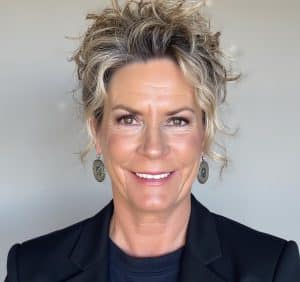
Core Assistant Professor; Chair, Mindfulness-Based Transpersonal Counseling

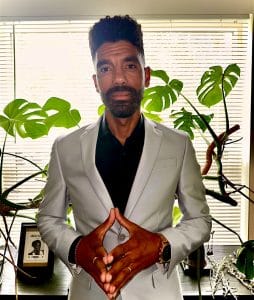
Core Assistant Professor; MTC Co-Director of Low-Residency Student Success














Why Choose Naropa?
Flexible Delivery Options
Students interested in the Mindfulness-based transpersonal counseling concentration can choose between pursuing an on-campus degree or a hybrid, low-residency degree. Our low-residency program offers three starting dates (January, May, and August) to better accommodate students’ busy schedules.

Partner Agencies
As part of the mindfulness-based counseling training, Naropa has a broad network of community agencies where students can carry out their practicum and field placements with on-site supervision and according to their interests. Low-residency students have the option to complete their internships in agencies located in their state of residency.
Licensure Support
Graduates of Naropa’s Clinical Mental Health Counseling MA can obtain licensure in Colorado and throughout the United States. We offer Credentialing and Licensure support for our students, even post-graduation.

How this Program Prepares You
Clinical Experience
In the final year of your transpersonal counseling degree program, you will serve as a supervised intern in a community agency, gaining crucial experience in a specialty area such as addiction counseling or crisis intervention. Throughout the internship, you’ll be supported by on-site supervision, faculty mentorship, and career development counseling.
Developing Personal & Professional Identity
In the mindfulness-based transpersonal counseling, students are encouraged to develop a therapeutic approach that matches each individual’s interests, abilities, and talents. Learning to “know thyself” is a tenet of transpersonal psychology. Students are encouraged to listen within to discover the unique gift each has to offer others. Feedback from faculty and peers enhances growth and personal discovery.
Application of Contemplative Practice in Clinical Mental Health Counseling
A strong understanding of contemplative practice in clinical mental health counseling is explored through multiple lenses that include meditation, human development, family systems, body awareness, and the interactive field of healing relationships. Students learn to sit with whatever arises as they are exposed to a broad spectrum of problems, emotions, and situations that may be encountered in actual counseling settings.
Learning Outcomes
Students demonstrate mindfulness skills in the context of counseling including present moment awareness, non-judgment and compassionate interest in details of physical sensations, emotions and thoughts.
Students demonstrate familiarity with several models of Transpersonal Psychology and their applications to counseling, including multicultural considerations.
Students demonstrate increased knowledge, presence, warmth, and skill regarding their utilization of awareness, choice, contact, and authenticity in the Gestalt approach to mindfulness-based transpersonal counseling.
Career Opportunities for Mindfulness-Based Transpersonal Counselors
Whether you aim to open your own private practice, become a mindfulness teacher, or gain the skills to become a clinical mental health counselor, Naropa can help you get there. Through deep introspection and interpersonal connection with faculty and fellow students, you’ll find your unique path within mindfulness counseling.
Career opportunities for mindfulness-based transpersonal counseling graduates include:
- Mental Health Counselor: offer therapy to improve well-being.
- Counselor Educator: teach counseling at the postsecondary level following advanced training.
- Compliance Managers: ensure organizations adhere to laws and regulations.
- Substance Abuse Counselor: aid recovery from substance abuse.
- Healthcare Professional Counselor: assist communities with medical support and resources.
Hear from a Graduate
 Naropa has prepared me for the future as well as the present by teaching me to keep my seat in the eye of any storm. I am able to access an equanimity that was not available to me before I attended Naropa. I know when I am being my authentic self, I can make decisions based on my true values and I can access self-compassion and compassion for others. These invaluable lessons deepen and enhance all my relationships, professional and personal.

Discover Career Pathways for Low-Residency Mindfulness-Based Transpersonal Counseling Graduates
FAQS about
Mindfulness-Based Transpersonal Counseling
What is the transpersonal approach in Counseling?
Transpersonal psychology integrates the spiritual aspects of human experience within the modern psychology framework. The transpersonal counseling approach uses transpersonal psychology to improve patients’ lives through meditation, mindfulness, and other spiritual practices that pursue contemplation of and beyond the ego.
What makes Naropa’s Mindfulness-Based Counseling and Transpersonal Counseling unique?
As the country’s first Buddhist-inspired university, Naropa has a long tradition of teaching, researching, and experimenting with mindfulness practices. Our campus and resources support students pursuing a contemplative education. Our mindfulness-based transpersonal counseling program is informed by our deep and thorough knowledge of the field, both academic and experiential.
What is the Intensive Component in the Mindfulness-Based Transpersonal Counseling Program?
Low-residency students participate in in-person/live experiential sessions called Intensives throughout the mindfulness counseling program. Our Intensives are truly the hallmark of this learning pathway, as they provide students with an opportunity to complement their asynchronous learning online with a live or in-person experience. We offer Intensives in two formats: We have live virtual sessions that occur over a multi-day period and in-person one-week retreat-style experiences that happen each semester during the program. The focus of the Intensives is to provide students with opportunities to form connections with their peers and faculty, bring application to the coursework through experiential practice, and provide opportunities for contemplative practice through group meditation sessions.
What is the difference between transpersonal counseling and other forms of psychotherapy?
Transpersonal counseling engages with the spiritual and transcendent side of human experience. This particular orientation differs from traditional forms of psychotherapy, which aim to improve people’s well-being and mental health without dwelling on the spiritual but focusing alternatively on behavior, the unconscious, or group dynamics, for example.
Learn More About the Program

Connect with your counselor
Melanie Noble
Admissions Counselor
- Schedule a Meeting
- melanie.noble@naropa.edu
- 303-546-3568


Connect with your counselor
Melanie Noble
Admissions Counselor
- Schedule a Meeting
- melanie.noble@naropa.edu
- 303-546-3568

Ready to Apply?
Admission Requirements
Naropa University’s admission process follows our contemplative education principles. We value academic excellence as well as the commitment to introspective work.
Applicants participate in group interview sessions at either virtual or in-person Interview Days scheduled throughout the year, in addition to providing undergraduate transcripts, an essay, and a copy of their resume.
Costs & Financial Aid
At Naropa, we believe quality education should be accessible. More than 75% of our graduate students receive some form of financial aid to help cover their costs. Our graduate costs & aid page covers costs and financial aid opportunities for graduate students, like scholarships, student employment, and loan options.
Graduate Scholarship Opportunities
Scholarships are a great way to help with the costs of going to school. Naropa University offers an array of scholarship opportunities to graduate students. Students may be eligible to receive scholarships by applying for scholarships or by being nominated for a scholarship. For more detailed information about the different scholarships available and how to receive them, please review our graduate scholarship page.


Interested in Mindfulness-Based Counseling & Transpersonal Counseling Certificates?
Read our blog or listen to our podcast!

Magazine

Magazine

Magazine
Mindful U Podcast 102. Harmony Kwiker: Healing the Whole Person with Gestalt Therapy The latest episode of our podcast is available at Mindful U, Apple, Spotify, and Fireside now! Visiting...

The newest episode of our university podcast, ‘Mindful U at Naropa University,’ is out on iTunes, Stitcher, Fireside, and Spotify now! We are excited to announce this week’s episode features...