



Embark on a transformative journey through experiential classroom learning, nature-based practices, contemplation, and nature retreats. You will integrate theory with practice as you deepen your connection to the natural world.
Over the course of this certificate program, you’ll explore how to support robust human-nature relationships in urban, rural, and wilderness settings.
About this Certificate
The curriculum of the Nature-Based Transpersonal Counseling Certificate synthesizes theoretical coursework in contemplative practice and nature-based counseling. Supported by Buddhist, transpersonal, and earth-based thought and experience, the program is grounded in the belief that we are interconnected and that we inherently belong with the earth and all beings. Through rich interpersonal exchanges, students gain increased awareness of their patterns and the ways they impact and are impacted by others. They learn to consider other perspectives and develop tools for acknowledging and addressing differentials in power dynamics, learning how to co-create spaces of mutual bravery and vulnerability.
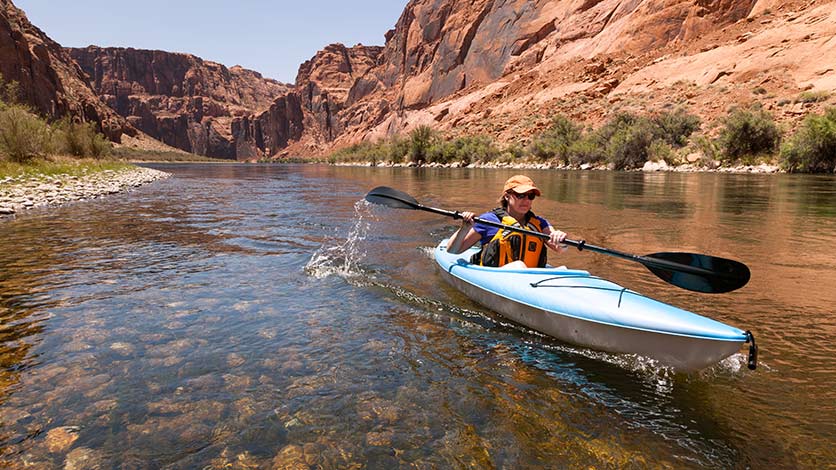
Nature-based learning and experientials are deeply integrated into the coursework. With roughly one trip per semester, students experience intensive time in expansive places in Colorado, Wyoming, and Utah. On these outings, trained faculty support students to safely experience a range of nature-based activities and interventions, including camping, backpacking, rock climbing, canoeing, animal-assisted therapies, and horticulture. Day trips to local parks, gardens, and animal therapy centers allow students to practice mindfulness in nature, learn about local land history and ecology, and engage in reciprocal caretaking of the land while practicing facilitation skills. Ultimately, students explore anxiety and grief related to environmental injustices and the climate crisis, gaining the skills to address the growing disconnect between humans and nature.
Learn in Community
Students in the Nature-Based Transpersonal Counseling Concentration move through their studies as a cohort. Through rich interpersonal exchanges, students gain increased awareness of their patterns and the ways they impact and are impacted by others. Students learn to consider other perspectives and develop tools for acknowledging and addressing power differentials, co-creating spaces of mutual bravery and vulnerability.
Unmatched Training Experience
The uniqueness of this concentration offers students learning activities (e.g., lectures) outside in Boulder Valley, the front range, the Rocky Mountains, and the Utah Canyons. Students engage in an approximately one-week-long camping trip per semester.
These trips, along with day trips, enhance students’ skills through immersive experiences in nature. Trained faculty will support you to safely experience a range of nature-based activities and interventions, including camping, backpacking, rock climbing, canoeing, animal-assisted therapies, and horticulture. On day trips to urban and rural parks, gardens, and farms, you will practice mindfulness in nature, learn about local land history and ecology, engage in reciprocal caretaking of the land, and practice facilitation skills.
Students are introduced to advocacy, i.e., the logistical, financial, and cultural constraints that may prevent people from accessing land. We explore approaches to address this. You will also be guided to explore the impacts of the climate crisis and environmental injustices while gaining skills to address the growing disconnect between humans and nature.
Hybrid Internships
During your third and final year, you’ll complete a clinical internship and provide invaluable practical training and experience. Students are responsible for securing their internship sites and may partner with a vast array of traditional and non-traditional sites along the front range of Colorado and across the United States. Past interns have gained clinical experience interning at schools, equine-assisted therapy centers, residential treatment facilities, wilderness therapy programs, community mental health centers, and other counseling organizations.
To grant you the flexibility to find an internship that best matches your interests, some of your courses will be online beginning in the summer of your second year. During the Internship, you will visit campus a minimum of one time per semester.
Introspective Approach

Quick Facts
- 12-credit certificate program designed for students concurrently enrolled in the 60-credit Master of Arts in Clinical Mental Health Counseling
- Delivery: On-campus only
- Hands-on experience with nature-based modalities like equine-assisted therapy, horticulture, rock climbing, canoeing, and hiking.
- Opportunities to experience and practice nature-based techniques that can be used with diverse populations in clinical, office-based settings and beyond.
- Incorporation of meditation & body-awareness practices.
- Applications open for Spring, Summer & Fall 2027

Program Format
The MA in Clinical Mental Health Counseling program focusing on Nature-Based Transpersonal Counseling is a three-year program blending clinical and theoretical coursework in clinical mental health counseling, contemplative practice, and nature-based counseling.
Supported by Buddhist, transpersonal, and earth-based thought and practice, the program is grounded in the belief that we inherently belong and are interconnected with all life.
Course Spotlight
Healing Relationships: Animals in Counseling
This didactic and experiential course introduces students to the principles and practices of animal-assisted therapies, with an emphasis on equine-assisted counseling. Students will explore strategies for fostering safe, ethical, and mutually beneficial relationships between humans and animals in therapeutic settings, with particular attention to the role of safety in attachment relationships. Students will learn how to integrate animals into the counseling process to promote engagement across diverse client populations and to enhance counselors’ ability to conduct accurate assessments and implement effective interventions. The course includes hands-on learning and practice equine-assisted counseling sessions.
Certificate
Requirements
Supported by Buddhist, transpersonal, and earth-based thought and experience, the certificate program is grounded in the belief that we are interconnected and that we inherently belong with the earth and all beings.
Nature-Based Transpersonal Counseling Certificate Requirements
- CNSN-610 Nature-Based Counseling I: Foundations (1)
This didactic and experiential course introduces students to the principles and practice of nature-based transpersonal counseling in a group setting. Students are introduced to theoretical influences and developments in the field and explore ways culture and social structures influence therapeutic dynamics and the human-nature relationship. - CNSN-612 Nature-Based Counseling II: Theory in Practice (1)
In this didactic and experiential course, students deepen their understanding of foundational theories in nature based counseling, including transpersonal counseling, ecopsychology, and deep ecology. Students explore how culture and social structures influence the human-nature relationship and learn practices to reestablish connection with the natural world. - CNSN-621 Person/Plants/Land: Horticulture in Counseling (1)
This course focuses on the therapeutic modality of horticulture as a tool for growth and healing. Topics include use of plants and gardening in therapeutic settings, food justice and equity, and themes of geography and land as related to personal history and psychology. - CNSN-623 Healing Relationships: Animals in Counseling (1)
This didactic and experiential course introduces students to the principles and practices of animal-assisted therapies, with an emphasis on equine-assisted counseling. Students will explore strategies for fostering safe, ethical, and mutually beneficial relationships between humans and animals in therapeutic settings, with particular attention to the role of safety in attachment relationships. Students will learn how to integrate animals into the counseling process to promote engagement across diverse client populations and to enhance counselors’ ability to conduct accurate assessments and implement effective interventions. The course includes hands-on learning and practice equine-assisted counseling sessions. - CNSN-627 Transitions Throughout the Lifespan (1)
This experiential and didactic course provides a clinical foundation for working with individuals through major life transitions. The modality of rites of passage, its appropriateness with both adolescent and adult clients, and its cross-cultural dimensions are a focus. Students gain firsthand experience with ceremony, ritual, expressive arts, and vision fasts in natural settings as modalities for addressing transitions. - CNSN-632 Crisis, Trauma & Disaster Counseling (3)
This didactic and experiential course is intended to expose students to the personal and systemic impact of crises, disasters, and other trauma-causing events. Emphasis will be given to the impact of the climate crisis and its disproportionate impact on marginalized communities. Students will apply theory and best practices to a topic of their choice related to recovery and resiliency work with individuals, groups, and communities. - CNSN-633 Advanced Nature-Based Counseling Skills (1)
Prerequisites: CMHC-603 and CMHC-604. This is an advanced skills course incorporating lecture, discussion, and practice that supports students to facilitate group and individual interventions in nature-based settings. - CNST-623 Foundations of Mindfulness (3)
Mindfulness, the ability to be fully present with interest and acceptance, is essential for the skillful counselor. This course presents basic mindfulness meditation practices with additional techniques for practicing with emotions, somatic sensations, and thoughts to support the cultivation of counselor presence. Buddhist roots, evidence-based secular mindfulness, and applications of mindfulness to self-knowledge are emphasized.
Meet the Nature-Based Transpersonal Counseling Faculty


Why Choose Naropa?
Learn in Relationship with Others and the Natural World
Over the course of three years, students are supported to develop relationships with fellow cohort members, while also engaging in reciprocal relationships with the more-than-human world.

Contemplative Education
We augment the traditional counseling curriculum with additional teachings and experiences, including Earth-based practices that support individual and collective wellbeing.
Career Readiness
Our students learn how to work creatively with the tools and resources at hand and to make use of the natural metaphors that we as humans intuitively understand.
How this Program Prepares You
Diverse Fields of Learning
Naropa’s Nature-Based Counseling certificate is one-of-a-kind. Integrating classroom learning, hands-on experience, and contemplative practice, students will gain knowledge in a wide array of fields, from ecopsychology to outdoor therapy and leadership.
Introspective System
A foundational belief of this experiential program is that understanding and working with others begins with an ability to understand and work with oneself. Moving through the cohorted program, students learn to be mindful of their own reactions as well as their impact on others. They are supported to approach challenges in a compassionate way that reduces the tendency to pathologize the self and others. Finally, they are encouraged to reflect upon and, where appropriate, share their own experiences in the world, thus learning how to create and maintain spaces of mutual bravery and vulnerability.
Learning Outcomes
Students demonstrate the ability to effectively incorporate nature-based approaches into counseling.
Students demonstrate an understanding of how culture and social structures influences the human-nature relationship.
Career Opportunities for Nature-Based Counselors
The master’s degree in nature-based counseling combines elements of psychology and spirituality. At its core, it offers an intensely experiential, interdisciplinary, and multicultural approach, equipping graduate students with diverse counseling and nature-informed experiences.
From agency to private practice to wilderness therapy programs, our Nature-Based Transpersonal Counseling concentration unlocks diverse career paths in mental health, education, and beyond. Our graduates bring their unique perspective to their work in agency, non-profit, and private practice settings, as well as in groundbreaking programs in horticulture, animal therapy, and outdoor experiences.
- Mental Health Counselor: provide therapeutic support for emotional wellbeing.
- Substance Abuse Counselor: aid in addiction recovery.
- Behavioral Disorder Counselor: assist with behavioral challenges.
- Social Service Assistant: support individuals accessing social services.
- Equine-Assisted Counseling: partner with horses to facilitate therapeutic sessions.
Hear from a Graduate
 It has always been a dream of mine to serve people through the vehicle of wilderness experience, and this program had everything I was looking for. Not only is Naropa providing great professional development and opportunities to succeed in the workplace, but I also credit the amount of attention that is devoted to working with each individual’s inner process. I think that when we truly look within ourselves that we often find the best ways of serving others as well.

Faculty Highlight
We invite ourselves to slow down and to question the conventional approach of speediness, goal orientation, and the accumulation of material goods and power, striving instead for a wholesome and life-affirming existence—a life where we can be of service and in relationship, with a purpose to sustain ourselves and the earth and also to celebrate and delight in our existence.FAQS about the
Nature-Based Counseling Certificate
What outdoor skills do you need to participate in this program?
Prospective students should be confident that they can safely tend to their needs while learning in a dynamic, outdoor environment. Participation in the field sections requires knowledge of wilderness travel, campcraft, and leave-no-trace principles. A degree of physical fitness is crucial for program activities such as rock climbing, gardening, and backpacking.
What contemplative activities will I learn on day trips and field sections?
Day trips and field sections include contemplative activities such as the following:
The incorporation of mindful movement while hiking, finding a way to move safely as a collective in a way that supports and honors the needs of the individual.
Establishing routines to support one another and accomplish tasks like setting up camp and making meals while respecting the natural environment.
Canoeing, noticing the flow of the river, and paddling in rhythm.
The use of basic rock climbing techniques to explore themes of groundedness, connection, boundaries, and safety through the mindful use of ropes, harnesses, belays, and rock walls.
Forming relationships with other beings, including plants and animals, with respect and curiosity.
How do these skills and experiences prepare me for a career as a counselor?
What sets Naropa apart from other universities?
Drawing inspiration from Buddhism and the dynamic pairing of Eastern meditation practices and Western counseling psychology, the foundation of any Naropa education rests on a commitment to personal practice and experience.
What is the role of nature-informed experiences in counseling?
Nature-informed experiences often inspire people to adopt a stance of reverence and respect for all beings, and this approach infuses the client-counselor relationship. Clients often remark that they feel uniquely valued by Naropa-trained counselors and that this gives clients the courage to truly engage in the therapeutic process.
Learn More About the Certificate Program

Connect with your counselor
Junia McGillen
Admissions Counselor
- Schedule a Meeting
- junia.mcgillen@naropa.edu
- (303) 276-6005


Connect with your counselor
Junia McGillen
Admissions Counselor

Ready to Apply?
Admission Requirements
At Naropa, we value both academic excellence and the willingness to carry out introspective work.
Learn more about admission requirements and the application process for the MA in Clinical Mental Health Counseling with a Certificate in Nature-Based Transpersonal Counseling.
Costs & Financial Aid
At Naropa, we believe quality education should be accessible. More than 75% of our graduate students receive some form of financial aid to help cover their costs. Our graduate costs & aid page covers costs and financial aid opportunities for graduate students, like scholarships, student employment, and loan options.
Graduate Scholarship Opportunities
Scholarships are a great way to help with the costs of going to school. Naropa University offers an array of scholarship opportunities to graduate students. Students may be eligible to receive scholarships by applying for scholarships or by being nominated for a scholarship. For more detailed information about the different scholarships available and how to receive them, please review our graduate scholarship page.

Interested in Nature-Based Transpersonal Counseling?
Read our blog & magazine or listen to our podcast!

Magazine
Magazine

Magazine


The newest episode of our university podcast, ‘Mindful U at Naropa University,’ is out on iTunes and Spotify now! We are excited to announce this week’s episode features special guest...


