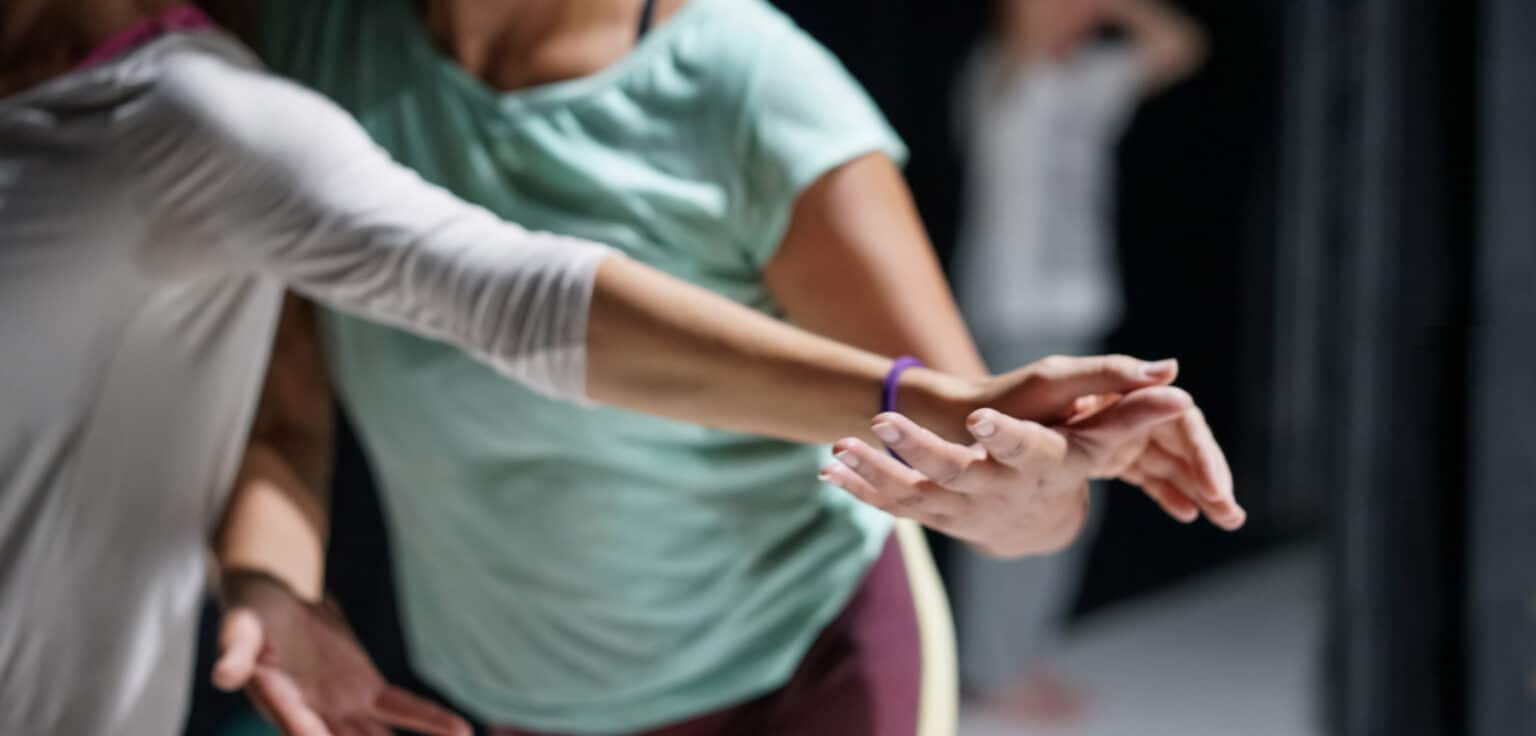

The Somatic Counseling certificate—with both on-campus and hybrid options—harnesses the power of synchronized and integrative psychotherapy through experience and expression on physical, emotional, cognitive, energetic, and spiritual levels.
About this Certificate
The Graduate Certificate in Somatic Counseling allows graduates to build dual competencies in foundational clinical practice and specialized somatically oriented interventions, preparing them to integrate the lived experience of the body into a variety of therapeutic settings.
The curriculum draws upon the fields of body psychotherapy and somatic studies to integrate concepts and techniques of bodywork, movement, and embodied awareness with counseling skills. Rooted in (but growing beyond) the Western psychology traditions of Freud and Reich, modern somatically oriented practices bring greater attention to the lived experience of the body, allowing unconscious material to manifest and be worked with using breath, touch, movement, sensation, and imagery. Practices explored include those of Bonnie Bainbridge Cohen, Christine Caldwell, Ron Kurtz, Pat Ogden, and Peter Levine, among others. The Somatic Counseling Certificate explores both the physical, mechanical, and energetic aspects of treatment used in some forms of body psychotherapy, as well as the psychological, gestural, or metaphoric expressions of the Soma used in depth psychological approaches.
Community-Based Learning
Naropa’s somatic counseling degree program allows you to gain hands-on experience working in the community through practicum and internship placements. The 100-hour practicum involves a fieldwork placement. The 700-hour clinical internship incorporates meaningful service through observing and participating in the mental health community. Both experiences introduce you to different populations and help you become more comfortable with your community.
Professional Certification
Expert Faculty
Learn from licensed and certified professional counselors with a variety of clinical, teaching, and research experience working with diverse populations. Our faculty is uniquely qualified to train future somatic counselors.

Quick Facts
- 14-credit certificate program designed for students concurrently enrolled in the 60-credit Master of Arts in Clinical Mental Health Counseling
- Delivery: On-campus & hybrid
- Curriculum draws upon the fields of body psychotherapy and somatic studies to integrate concepts and techniques of bodywork, movement, and embodied awareness with counseling skills.
- Unique Mindfulness & Somatic Focus
- Professional Certification

Program Format
The Somatic Counseling Concentration is one program with two paths toward degree completion:
- The Somatic Counseling residential program is a three-year, on-campus Clinical Mental Health Counseling Program. On top of regular theoretical coursework, students are expected to complete a 100-hour practicum at a community agency during their second year, and a 700-hour internship during the third year. These fieldwork experiences take place in a supervised environment and help students develop their counseling skills through observing and participating in the mental health community while providing meaningful service.
- Beginning in Summer 2026, the Somatic Counseling low-residency program is designed for students who desire a combination of online and in-person, synchronous and asynchronous learning. Our low-residency format is flexible and mostly online, making it the perfect fit for those with busy lives or who wish to keep working. Like students in our residential program, low-res students gain the same clinical experience through their practicum and internship placements.
Course Spotlight
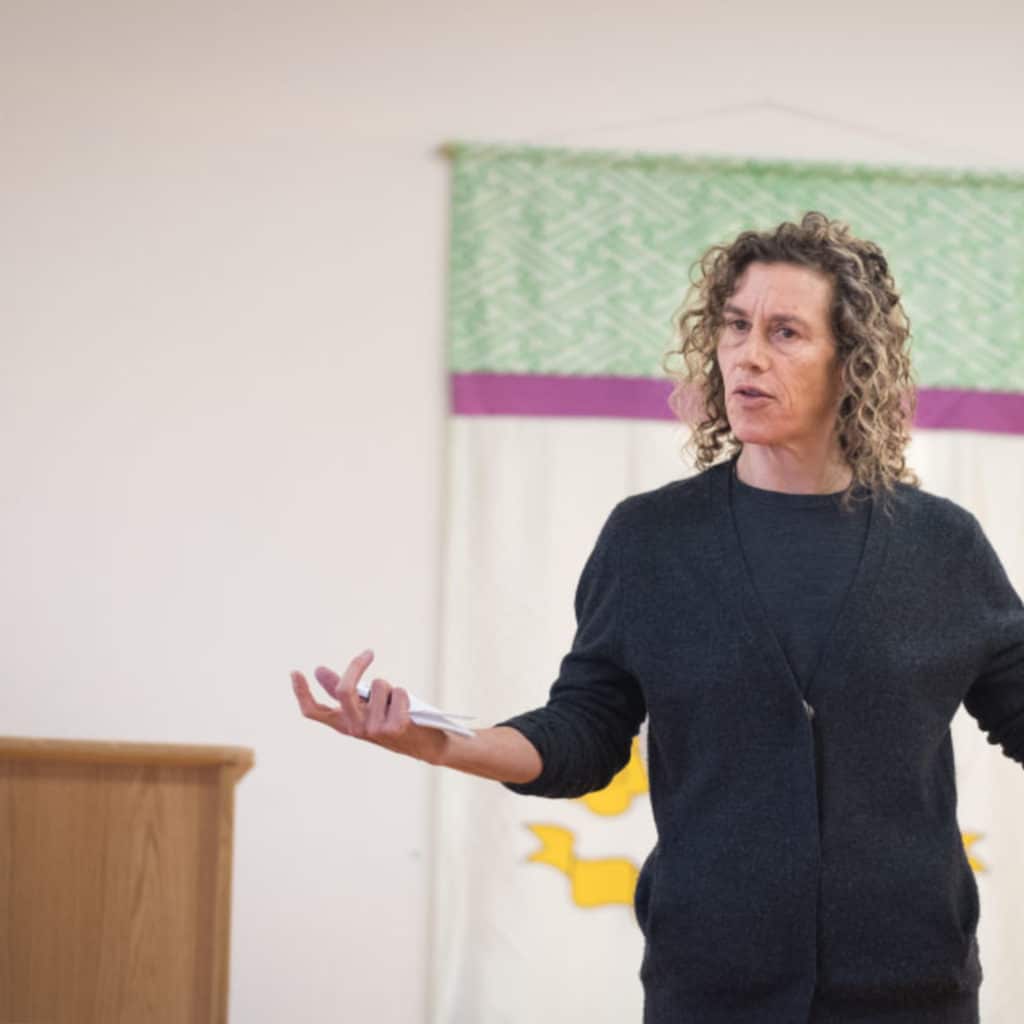
Specialized Approaches in Somatic Counseling
An advanced theory and skills course that studies both developmental and traumatic wounding, and the adult patterns of thought, emotion, and behavior these wounds create. Using various methodologies, students gain a somatic understanding of trauma and its physiological and psychological effects. Practical somatic techniques for contacting, accessing, deepening, processing, transforming, and integrating developmental and traumatic experiences are taught.
Certificate
Requirements
Somatic Counseling Certificate Requirements
- CNSB-627 Foundations Somatic Counseling (2)
In this course, students learn the theoretical and practical roots of somatic counseling, beginning with the Freudian era and sequencing through current times, though also acknowledging and appreciating the historic and contemporary presence of indigenous somatic healing practices. The field is viewed from the perspective of the significant contributions of its primary founders, the therapeutic paradigms they represent, and current applications of how these theories and paradigms have been transposed into contemporary modalities. Students learn and explore the theoretical and therapeutic applications of Gestalt and Hakomi therapies with Body-Mind Psychotherapy (BMP) serving as a supportive and integrative theoretical framework. - CNSS-646 Contemplative Practice for Somatic Counselors (1)
This course will explore contemplative practices and processes from somatically based, social justice counseling perspectives. The course includes how to work with oneself from places of stillness and movement, and how this informs and supports one’s training as a body-based counselor. Class will consist of opportunities for practice for students to cultivate an ability to begin setting a contemplative container for future clients. - CNSB-716 Specialized Approaches Somatic Counseling (2)
An advanced theory and skills course that studies both developmental and traumatic wounding, and the adult patterns of thought, emotion, and behavior these wounds create. Using various methodologies, students gain a somatic understanding of trauma and its physiological and psychological effects. Practical somatic techniques for contacting, accessing, deepening, processing, transforming, and integrating developmental and traumatic experiences are taught. - CNSS-622 Body Movement Observation & Assessment (3)
In this course, students begin to look at how the mind is expressed through the body. A range of observation and assessment models specific to somatic counseling is introduced, including kinesiological, morphological, developmental, energetic, segmented, process-oriented, and archetypal frameworks. Within the context of clinical application, this course focuses on movement observation and assessment as a collaborative endeavor between counselor and mover/client. The impact of sociocultural locations and identities as well as power dynamics are considered as they relate to observing and assessing movement. - CNSS-606 Advanced Counseling Skills (3)
Through experiential and theoretical exercises, students learn how counselors apply somatically based counseling skills to advanced counseling theory. Developmental theory is explored through the lens of attachment theory and its implications for clinical practice. As an extension of these theories, the ethics, strategies, and practices for the use of touch in somatically oriented sessions will be introduced, as well as working somatically with developmental trauma. Students refine their skills in identifying and working with resistance and psychological defenses, develop greater facility in tracking transference and countertransference in the therapeutic relationship, and cultivate greater skill in applying theory-based clinical rationale for their therapeutic interventions. Furthermore, students hone their skills of guiding clients into therapeutic process, creating and maintaining a secure therapeutic container and therapeutic boundaries, as well as continuing to explore their own professional identity and boundaries as counselors. Prerequisites: CMHC-601, CMHC-604. - CNSS-665 The Neuroscience of Trauma (3)
This course is designed to provide students with an understanding of the personal and systemic impact of crises, disasters, and other trauma-causing events on individuals, couples, families, and communities. Students examine theories and response models as they relate to sexual trauma, crisis in individuals and families, crisis in the community, and crisis in the nation and in the world. They explore and discuss topics related to counselor competencies, vicarious trauma and countertransference, specific diagnoses, and advocacy. Students also engage in assignments designed to provide practical application of crisis and trauma assessment. Through contemporary articles, books, case studies, and experiential activities they consider and discuss cultural, legal, and ethical issues related to crisis, trauma, and disaster events and response.
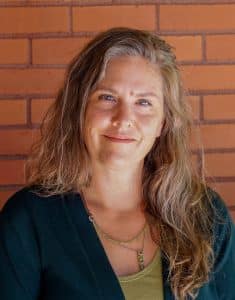
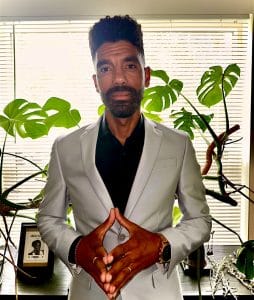
Meet the Somatic Counseling Faculty




Why Choose Naropa?
Community Network
As part of your body psychotherapy training, you will complete fieldwork placements at a partnering human service agency. These opportunities will allow you to create meaningful connections with professionals and institutions in the field, setting you up for success after graduation.

Licensure Assistance
Naropa’s Credentialing Coordinator provides support to students and graduates of the Somatic Counseling program with licensure and credentialing requirements, helping them develop individualized paths toward licensure and providing assistance post-graduation.
Diversity & Inclusion
Naropa University is dedicated to embracing diversity and inclusive education. This is helpful in understanding and showing qualities that bring people together, aiming for a fair and united society.
How this Program Prepares You
Clinical Experience
During the second and third years of their degree, students will develop their clinical skills in real-world settings through field placement assignments. These crucial learning opportunities will allow students to gain experience in their specialty area of choice, be it family therapy, health and wellness services, or children’s counseling. On-site supervision, mentorship, and career development counseling complement field experience.
Holistic Somatic Awareness
Naropa’s rich and rigorous curriculum will help transform you into a deeply aware somatic psychotherapist. Our integrative psychotherapy approach emphasizes mindfulness and moving meditation, as well as diversity and community engagement. You’ll explore the current understanding of multicultural competence, as well as the historical impact on the bodies that are present in counseling, through the critical lenses of cultural identities, power, and privilege.
Diverse Skillset & Techniques
We approach somatic counseling as a systems process involving self, environment, and the interaction between both. You will learn how to use mindfulness training, breathwork, interceptive awareness, and other somatic counseling techniques to ease suffering, support mental health, and sustain change in minds, bodies, and lives. Through rigorous training and learning, you’ll be able to develop and use appropriate counseling and body psychotherapy interventions when working with clients.
Learning Outcomes
Students demonstrate the ability to research and write about Dance/Movement Theories & Practice and Somatic Counseling in a way that shows critical thinking, scholarship, and the integration of theoretical material with clinical practice.
Students demonstrate the ability to develop and use appropriate counseling and DMT/BP interventions when working with clients.
Students demonstrate the knowledge of and ability to practice the professional ethics and standards for DMTs/BPs and professional counselors, including the ability to self-regulate and self-evaluate; accept and integrate supervision; and address power and privilege both in the therapeutic relationship and within the institution.
Students internalize and manifest pluralism and multicultural competency as an integral part of clinical practice, including an ability to recognize and appreciate differences in people’s experiences of their bodies and their movement patterns.
Students develop a moment-to-moment embodiment of their experience, which includes feeling sensations, awareness of emotions, occupying the body, and tracking movements and thoughts.
Career Opportunities for Somatic Counseling
Somatic counseling training will transform you into a deeply aware therapist passionate about helping others create change in their bodies, minds, and lives., graduates are uniquely positioned to pursue career opportunities in the field right after graduation. Many develop a professional network during their field placements.
Career Opportunities for Somatic Counseling graduates include:
- Psychotherapist: use your somatic counseling skills to support individuals, groups, or organizations.
- Family Therapist: help families cultivate healing with a holistic approach.
- Social-Emotional Wellness Coordinator: develop strategies to foster a community’s well-being.
- Instructor: use your knowledge, skills, and experience to train others in somatic practices.
- Program Coordinator: develop and organize courses and programs about body psychotherapy training.
Hear from a Graduate
 I feel incredible! I have dreamed of working as a body psychotherapist with children for as long as I can remember. The richness of the material has astounded me, especially the focus on diversity and inclusion. I feel like I am shifting every day from the program and the school, and through my personal shifts I will have more ways to affect positive change in the world.

FAQS about the
Somatic Counseling
What is somatic counseling?
‘Soma’ refers to the body imbued with Psyche. While the body may be thought of as a physical mechanism (as it often is in Western medicine), a somatic lens is one concerned with the autonomous lived experience of the body. The core of somatic counseling is the thesis that the psyche-imbued plays a key role in people’s relationships with themselves, others, and their environment.
What sets Naropa’s somatic counseling certificate program apart from other programs?
As the West’s first Buddhist-inspired university, Naropa has a rich history of engagement with somatic counseling practices, both from an academic and practical standpoint. This approach is universal to all our academic offerings. As true experts in somatic counseling, this program allows graduates to enter the field with a thorough education.
What is the difference between somatic counseling and dance/movement theories and practice?
Somatic counseling and dance/movement theories and practice represent two different approaches to counseling through a somatic lens. While they share the fundamental belief of somatic experiencing, the dance/movement theories and practice certificate focuses on the healing potential of conscious movement sequencing, while the somatic counseling certificate explores synchronized and integrative psychotherapy practices. Please note that the dance/movement theories and practice certificate is not currently offered in a hybrid format.
Learn More About the Certificate Program

Connect with your counselor
Junia McGillen
Admissions Counselor
- Schedule a Meeting
- junia.mcgillen@naropa.edu
- (303) 276-6005


Connect with your counselor
Junia McGillen
Admissions Counselor

Ready to Apply?
Admission Requirements
Naropa University seeks to foster academic excellence and introspective reflection. Our application requirements reflect these values and our commitment to inclusion, diversity, sustainability, and contemplative education.
Learn more about admission requirements and the application process for the Somatic Counseling certificate.
Costs & Financial Aid
At Naropa, we believe quality education should be accessible. More than 75% of our graduate students receive some form of financial aid to help cover their costs. Our graduate costs & aid page covers costs and financial aid opportunities for graduate students, like scholarships, student employment, and loan options.
Graduate Scholarship Opportunities
Scholarships are a great way to help with the costs of going to school. Naropa University offers an array of scholarship opportunities to graduate students. Students may be eligible to receive scholarships by applying for scholarships or by being nominated for a scholarship. For more detailed information about the different scholarships available and how to receive them, please review our graduate scholarship page.

Interested in Somatic Counseling?
Read our blog and magazine or listen to our podcast!

Magazine
The latest episode of our podcast is available at Mindful U, Apple, Spotify, and Fireside now! In this episode, Heather Sutton, MA, LPC—somatic counselor, adaptive movement specialist, and chair of...

Mindful U Podcast 95. Valeria McCarroll, PhD: Somadelics, Pursuing Life with Psychedelic Support & Intentional Integration This episode of our podcast is available at Mindful U, Apple, Spotify, and Stitcher now! We are happy to have...

This post is a part of “The Soft Spot,” a section of the Naropa University blog dedicated to compassion from Naropa’s Center for the Advancement of Contemplative Education (CACE). By...